



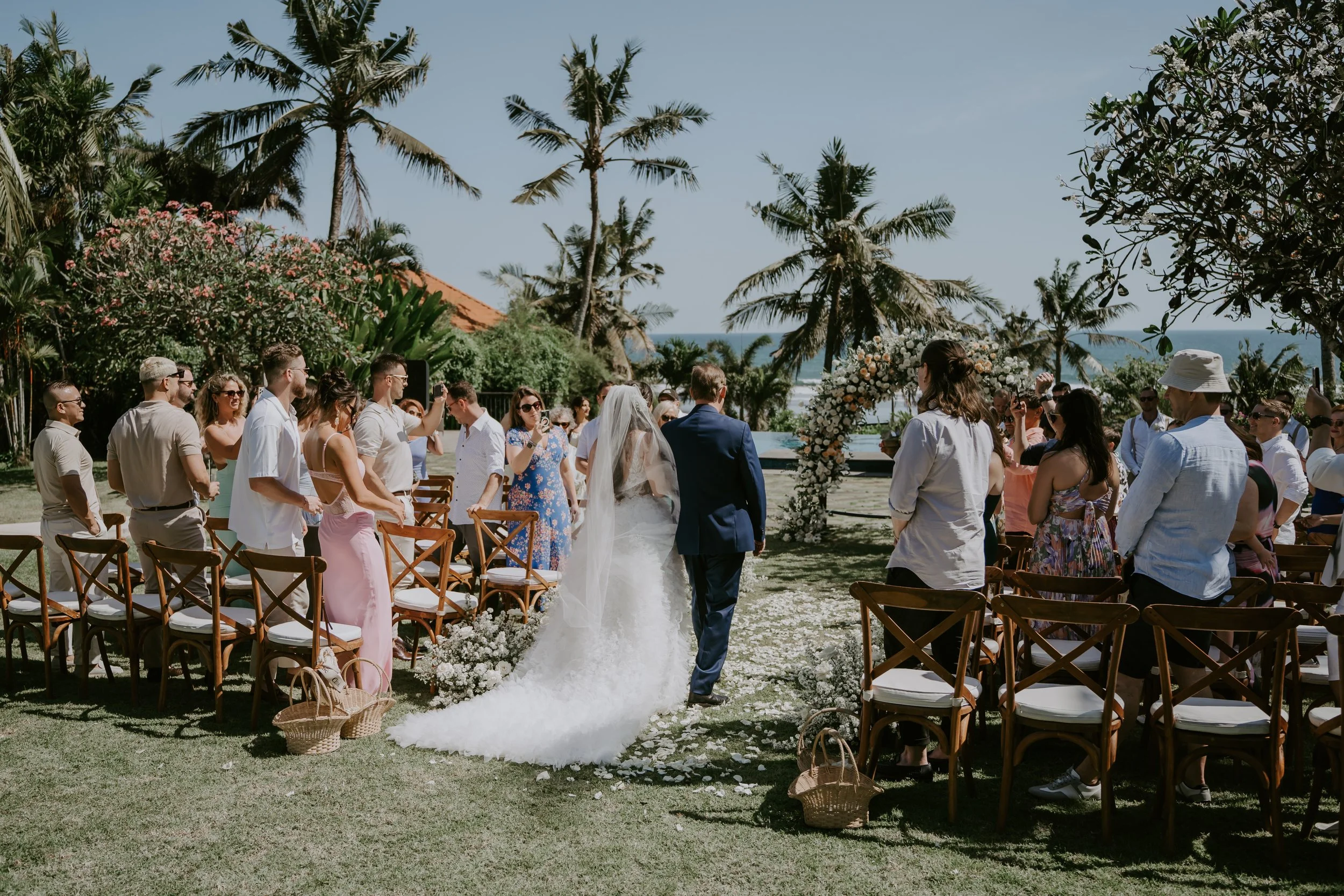
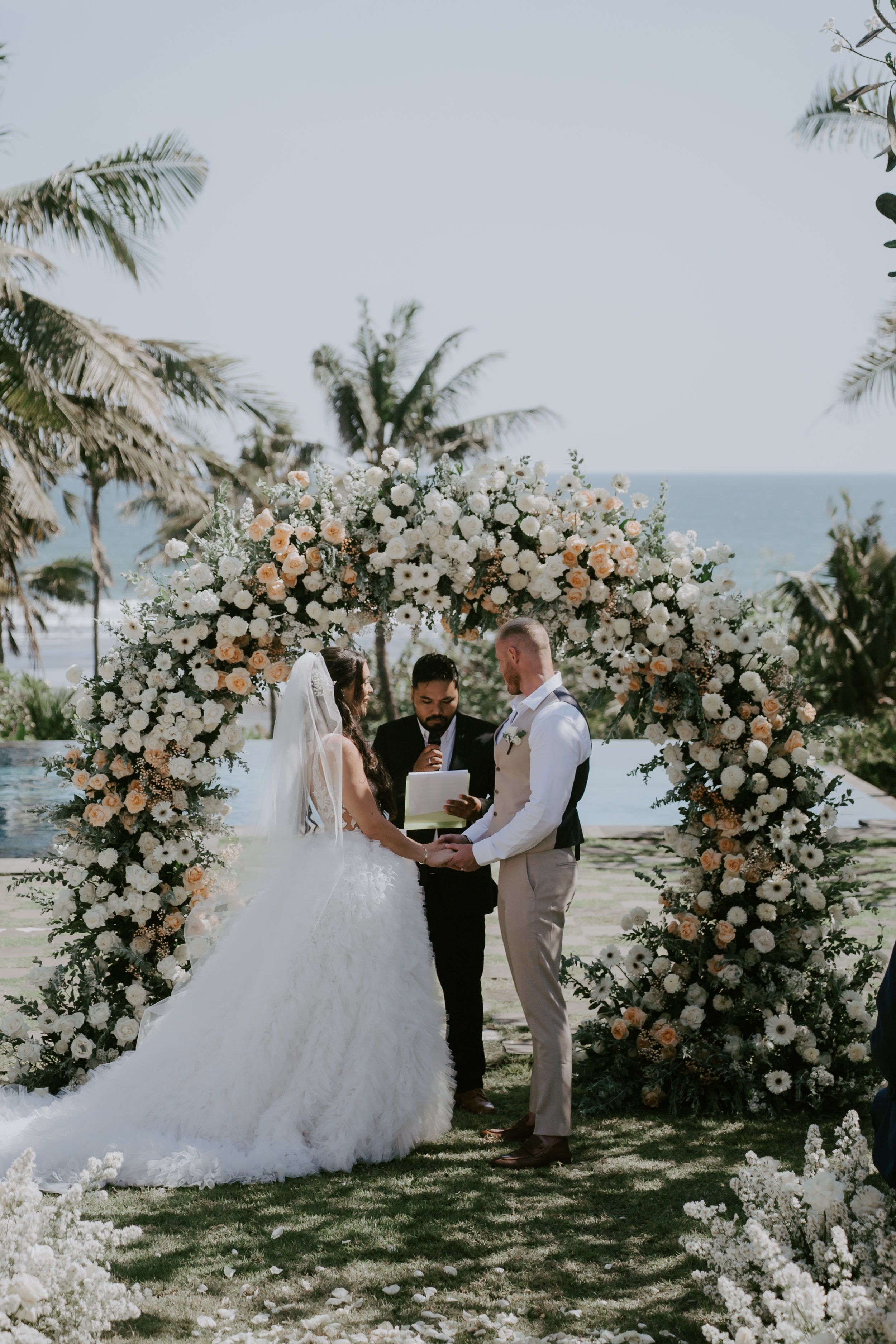
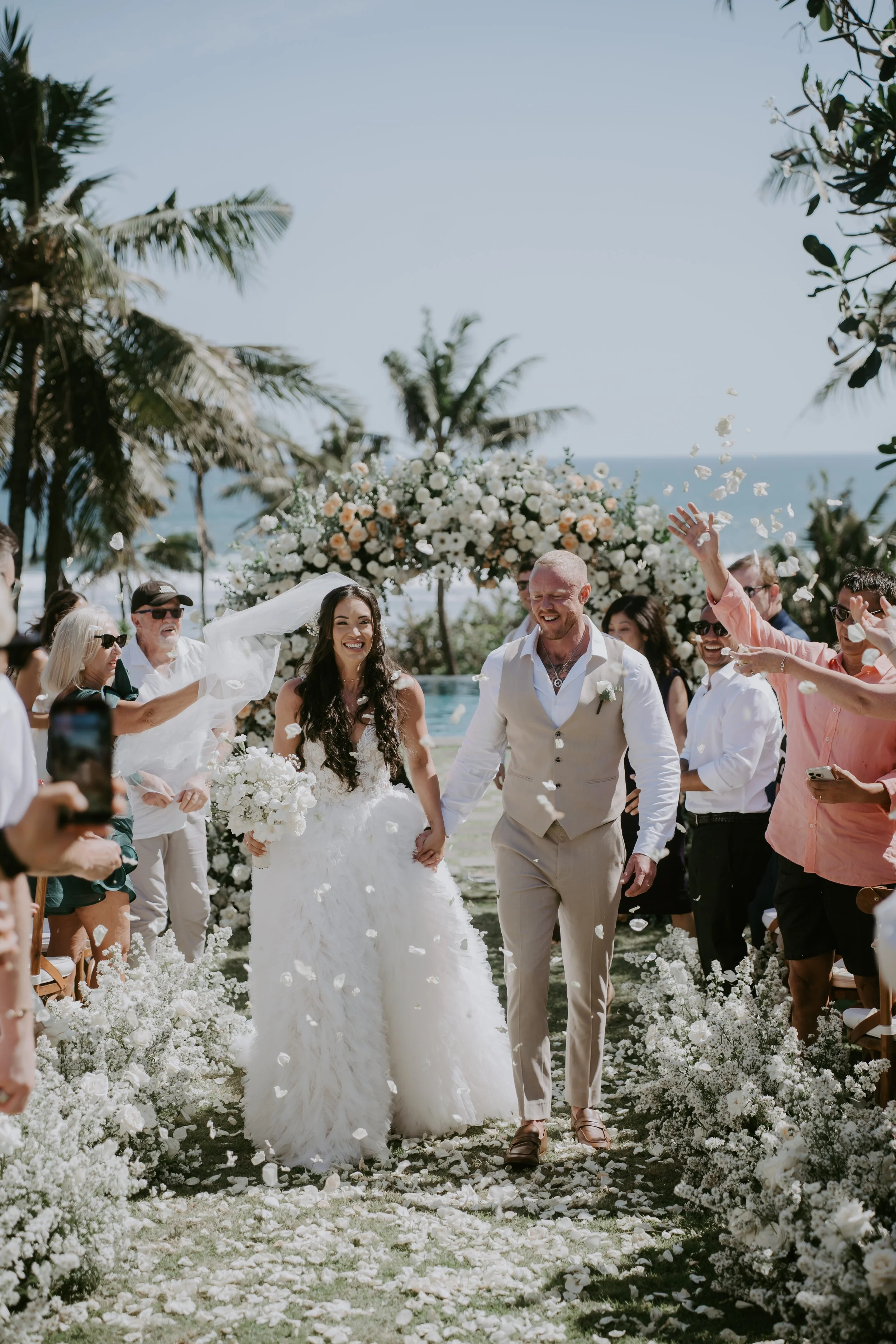
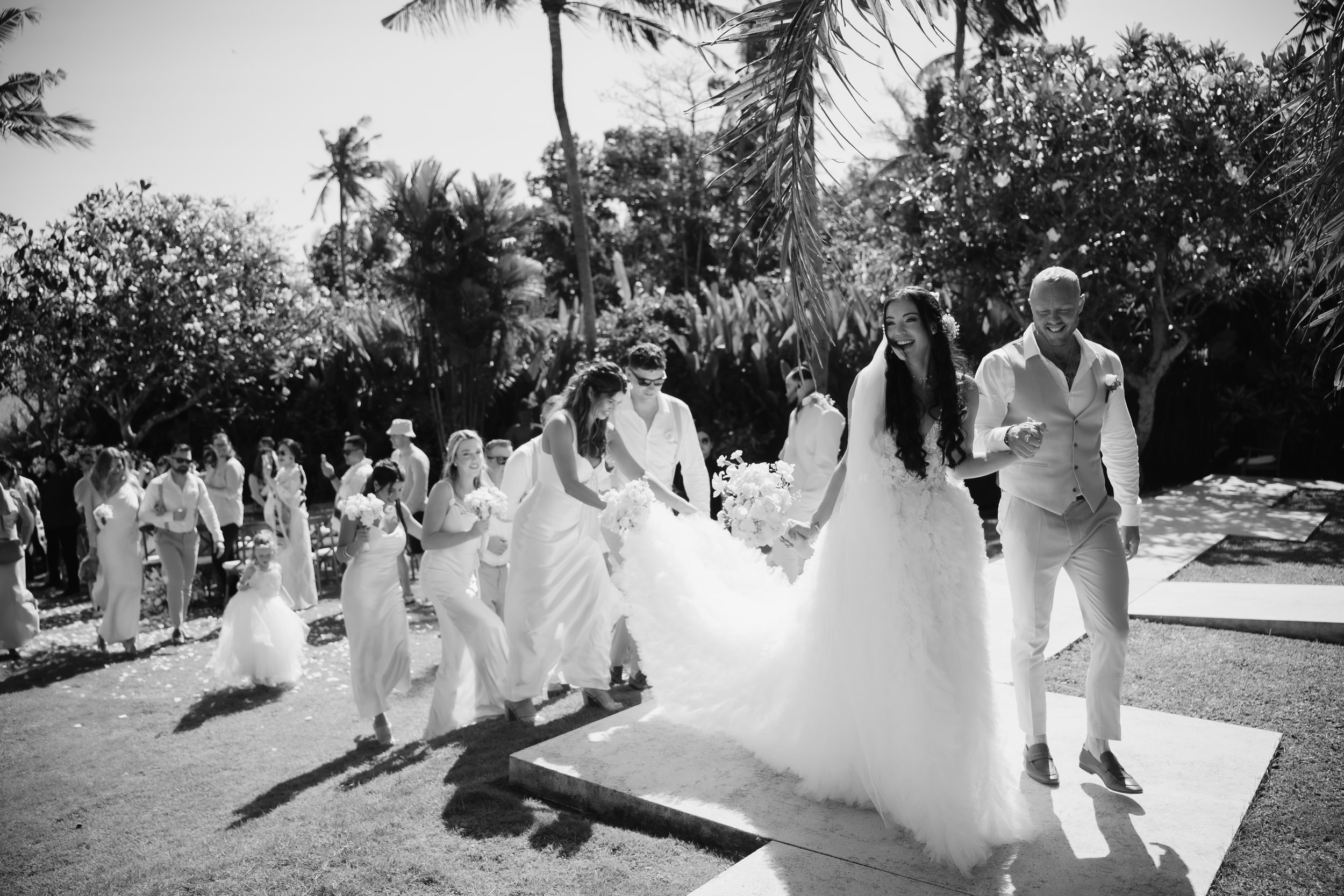

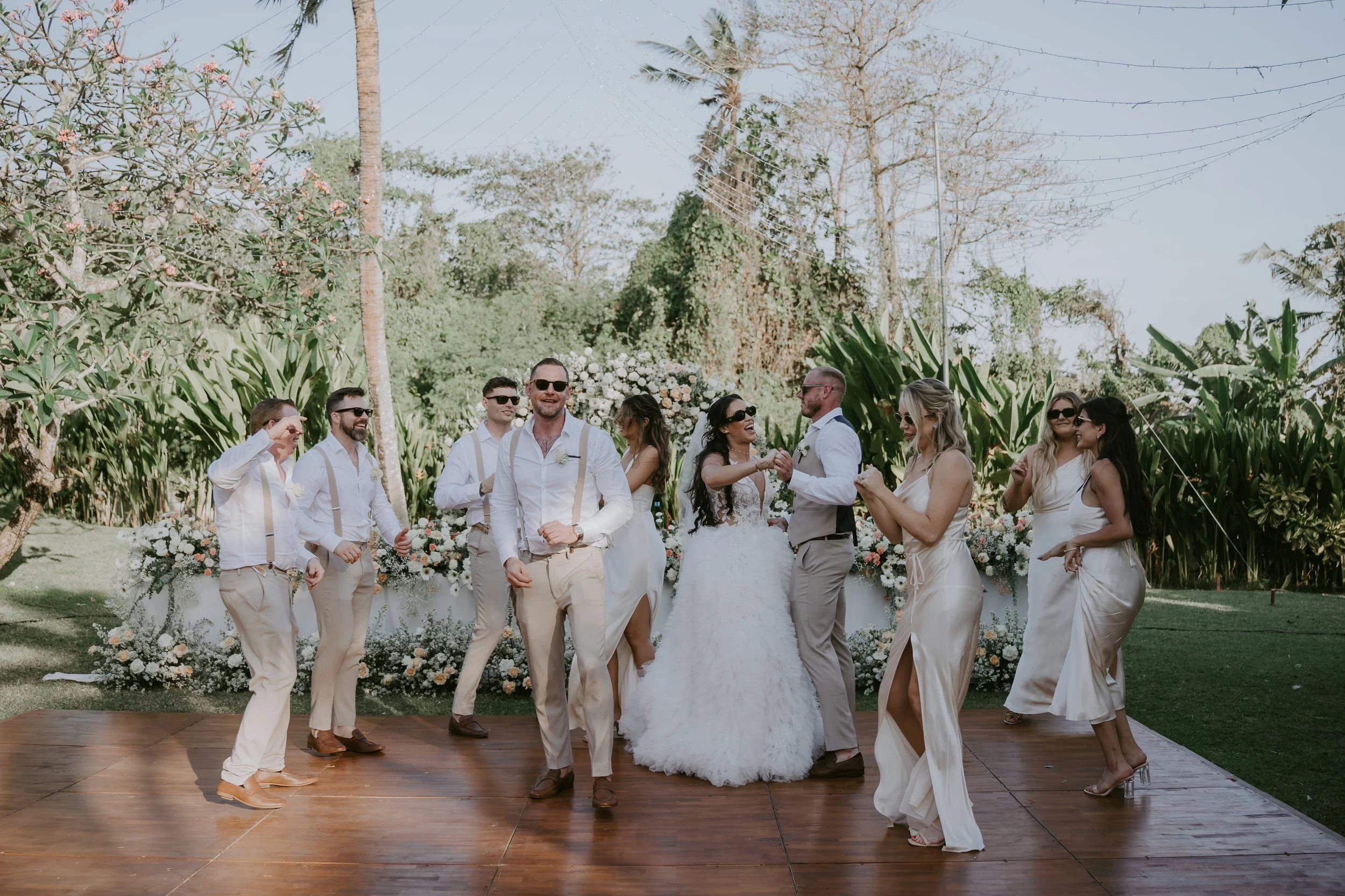

Planning a wedding in Bali is an exciting adventure, but when you're organizing everything from another city or even another country it can quickly become overwhelming.
From choosing the perfect venue and coordinating trusted vendors to managing guest logistics and creating a seamless wedding timeline, there are countless details that need careful attention.
This is why many couples choose to work with a professional Bali wedding planner.
But what exactly does a wedding planner do? Is hiring one really worth it? And how is a wedding planner different from a venue coordinator?
If you've been asking yourself these questions, this guide will walk you through everything you need to know before planning your dream wedding in Bali.
What Does a Wedding Planner Actually Do?
Many people think a wedding planner simply books vendors or helps decorate the venue.
In reality, a professional wedding planner manages the entire planning journey from the first consultation until the final guest leaves the reception.
Their role is to organize every moving part of your wedding, communicate with multiple vendors, solve unexpected challenges, and ensure everything happens according to plan.
Rather than worrying about schedules, supplier arrivals, or last-minute issues, couples can focus on enjoying the experience and celebrating with their loved ones.
For destination weddings in Bali, having someone on the ground who understands the local industry can make the planning process significantly smoother.
Before the Wedding: Turning Your Vision into a Plan
The planning process begins long before the wedding day.
During the first consultation, your planner takes time to understand your vision, priorities, guest count, budget, and preferred wedding style.
Whether you're dreaming of an intimate beachfront ceremony, a luxury cliffside celebration, or a private villa wedding surrounded by tropical gardens, every recommendation is tailored to your preferences.
Your planner will also help create a realistic planning timeline so every important decision is made at the right time without unnecessary stress.
Venue Recommendations
Finding the perfect venue is one of the biggest decisions you'll make.
A wedding planner helps narrow down the options by considering factors such as:
Guest capacity
Wedding style
Budget
Accessibility
Weather considerations
Accommodation options
Privacy
Sunset views
Backup locations for rain
Instead of spending weeks researching hundreds of venues online, you'll receive recommendations that genuinely fit your vision.
Budget Planning
One common misconception is that hiring a wedding planner automatically increases your wedding budget.
In reality, experienced planners help couples spend more wisely.
They understand where it's worth investing and where costs can often be reduced without compromising the overall experience.
A planner can also help prioritize your budget based on what matters most to you whether that's photography, floral design, entertainment, or guest experience.
Having a clear financial plan from the beginning also reduces the likelihood of unexpected expenses later in the planning process.
Vendor Selection & Coordination
A beautiful wedding is the result of many talented professionals working together.
Your wedding planner helps recommend trusted vendors that match your budget, style, and expectations.
This often includes:
Photographer
Videographer
Makeup Artist
Florist
Entertainment
Celebrant
Lighting team
Sound system
Catering
Cake designer
Transportation
Rental suppliers
Rather than contacting each supplier individually, your planner becomes the central point of communication, ensuring everyone stays aligned throughout the planning process.
Creating the Wedding Timeline
One of the most valuable things a planner creates is a detailed wedding timeline.
This isn't simply a schedule for the ceremony.
It includes every important moment throughout the day, including:
Vendor arrival times
Decoration setup
Hair & makeup schedule
First look photography
Family portraits
Ceremony timing
Cocktail hour
Reception entrance
Speeches
Dinner service
First dance
Cake cutting
Entertainment
Grand exit
Having a carefully planned timeline allows the entire wedding day to flow naturally without unnecessary delays.
Coordinating Guest Experience
Destination weddings involve much more than just the ceremony itself.
Guests often travel internationally, making logistics an important part of the overall experience.
A wedding planner can assist with:
Accommodation recommendations
Transportation schedules
Welcome dinner planning
Guest itineraries
Airport transfers
Wedding day transportation
Special requests
Making guests feel comfortable allows everyone to relax and fully enjoy the celebration.
Wedding Day Coordination
While the wedding day appears effortless to guests, there's a tremendous amount happening behind the scenes.
Your wedding planner oversees every detail from the moment the first vendor arrives until the final event concludes.
Responsibilities often include:
Supervising setup
Confirming vendor arrivals
Managing the ceremony schedule
Coordinating the bridal party
Assisting family members
Monitoring weather conditions
Organizing transportation
Solving unexpected issues
Keeping the celebration on schedule
If something unexpected happens a delayed vendor, sudden rain, or a technical issue your planner handles it discreetly, often before the couple even notices.
Why Local Knowledge Matters
Planning a destination wedding from overseas can be challenging.
An experienced Bali wedding planner understands local venues, vendor reliability, cultural traditions, seasonal weather, traffic patterns, and permit requirements.
This local expertise helps avoid common planning mistakes while creating a smoother experience for both the couple and their guests.
It's not just about knowing beautiful venues it's about knowing how each venue operates, what works best for different guest sizes, and how to adapt when plans need to change.
Wedding Planner vs Venue Coordinator
One of the most common misunderstandings is assuming that a venue coordinator and a wedding planner have the same responsibilities.
While they work closely together, their roles are very different.
A venue coordinator represents the venue. Their focus is ensuring the venue operates smoothly, overseeing venue staff, and managing services provided by the property.
A wedding planner, however, represents you.
They coordinate every vendor involved in your wedding, manage the overall timeline, communicate with your families, oversee styling details, handle unexpected situations, and ensure every aspect of your celebration comes together seamlessly.
Think of it this way :
The venue coordinator looks after the venue.
Your wedding planner looks after your entire wedding.
Is Hiring a Wedding Planner Worth It?
Every couple has different needs.
If you're planning a very small local ceremony, you may feel comfortable organizing everything yourself.
However, destination weddings involve additional layers of complexity from coordinating vendors across different locations to helping guests travel internationally and managing events from afar.
For many couples, hiring a wedding planner isn't simply about convenience.
It's about having peace of mind.
Knowing that an experienced professional is managing every detail allows you to spend less time worrying about logistics and more time enjoying one of the most meaningful days of your life.
Still wondering where to begin with your Bali wedding?
We'd love to hear about your vision and help you explore what's possible.
Send us a message or reach out via email at info@balifortwo.com , and let's start planning your dream wedding in Bali together.